Pandit Bhimsen Joshi
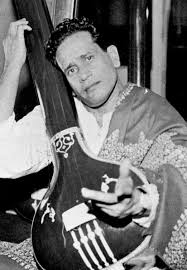
In the annals of Indian classical music, there are singers, and then there is Bhimsen Joshi — a phenomenon that transcended the very boundaries of melody and rhythm. Born in Gadag, Karnataka, his voice wasn't just an instrument; it was a force of nature that could whisper like a gentle breeze or thunder like the monsoon clouds.
♪ The Sacred Quest
At eleven, young Bhimsen heard a recording of Abdul Karim Khan's "Piya Bin Nahi Aavat Chain". That moment became the turning point. Driven by an insatiable hunger for music, he ran away from home at 19, traveling across India — from Pune to Gwalior, from Lucknow to Kolkata — sleeping at railway stations, working odd jobs, all in search of the perfect Guru.
♪ The Gurukul Legacy
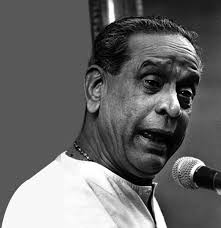
His perseverance led him to the legendary Sawai Gandharva of Kundgol. Under his tutelage, Bhimsen ji underwent a transformation that would shape the future of Hindustani classical music. The rigorous riyaaz (practice) was not just about technique — it was a spiritual sadhana. He would practice for 16 hours a day, often losing track of day and night, until every note, every gamak, every taan became an extension of his very being.
"The notes are the same for everyone. What matters is what you bring to them — your heart, your soul, your very existence."
♪ Eternal Milestones
♪ The Architect of Ragas
What set Bhimsen Joshi apart was his ability to make the most complex ragas accessible to the common listener. Whether it was the meditative depth of Raga Malkauns, the passionate yearning of Raga Darbari, or the devotional ecstasy of Abhangas, he painted emotions with his voice that words could never capture.
♪ Voice of the Divine
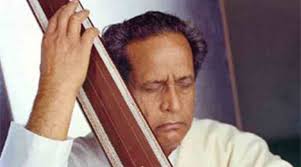
His renditions of "Mile Sur Mera Tumhara" became the anthem of national integration. His abhangas — "Gajara Dagad Taka", "Maajhe Maher Pandhari" — continue to echo in millions of homes, transcending the boundaries of religion and region. Bhimsen Joshi didn't just sing; he prayed, and invited millions to pray with him.
"Music is not what I do. It is what I am. Even when I stop singing, the song continues within."
Today, when we close our eyes and listen, we can still hear him — the impeccable aakar, the thunderous taans, the soul-stirring bol-baant. Bhimsen Joshi is not a memory. He is a presence that continues to guide every aspiring musician, every lover of melody, every seeker of truth.